Comprehending Firm Info: A Comprehensive Overview
Firms stand as essential entities in the worldwide economic climate, driving innovation, employment, and economic development. At its core, a company is a legal entity different from its proprietors, capable of becoming part of agreements, owning assets, and being liable for its actions. This lawful framework offers a shield for its shareholders, protecting their individual properties from the firm's obligations. The complexity of corporation information extends beyond straightforward organization operations; it includes legal standings, financial health and wellness, market placements, and tactical instructions. Stakeholders such as capitalists, competitors, workers, and regulatory bodies keep a close eye on this details to assess a firm's security and development potential.
There are numerous essential elements of company information that are vital for analysis and decision-making. Firstly, economic statements, including annual report, income declarations, and capital declarations, offer understandings right into a firm's monetary condition and functional effectiveness. Governing filings, such as those with the Securities and Exchange Commission (SEC) in the united state, supply openness and are essential for making certain compliance with economic and legal requirements. corporations information act form 1 governance, consisting of the composition and duties of the board of directors, affects exactly how a firm sets plans and handles its resources. Recognizing these aspects enables stakeholders to make educated decisions relating to work, monitoring, and investment techniques. In a globe where company actions can significantly affect markets and economic situations, the importance of thorough and precise corporation info can not be overemphasized.
Understanding the Framework and Function of Modern Companies
In today's global economic climate, companies play a crucial duty, not just in driving financial development yet additionally fit societal norms and techniques. municipal corporation example , basically a lawful entity unique from its proprietors, enables the merging of resources to undertake massive endeavors that specific capitalists could discover as well dangerous or expensive. This framework offers a number of benefits, consisting of restricted responsibility for its shareholders, which indicates that in the event of economic failure, financiers are just liable for their very own investment and not for the financial debts sustained by the entity. Firms are qualified of elevating additional funds with the sale of stock, which can lead to exponential development and expansion that may not be possible for various other types of businesses. The governance of a company is one more crucial aspect that determines its success and moral grounding. Typically governed by a board of directors elected by the investors, the firm delegates this group with the power to set broad goals, create techniques, and look after basic administration. This splitting up of ownership from monitoring allows the business to be expertly taken care of, although it can in some cases bring about conflicts of passion in between investors and board participants. Furthermore, firms need to abide by stringent regulatory requirements that vary significantly from one jurisdiction to another, influencing every little thing from business tax obligations to the openness of their operations. Worldwide, companies need to navigate a complicated web of economic and legal systems, making international operations awarding yet challenging. The capability to spread out operations across various countries can tap and minimize risks right into brand-new markets, supplying an one-upmanship over business with a much more localized emphasis. Environmental, social, and governance (ESG) standards are also coming to be progressively important, with customers and capitalists alike requiring greater standards of corporate duty. Consequently, contemporary corporations are not just economic entities however additionally social stars, with duties that exceed profit-making to consist of social well-being and environmental stewardship.
Recognizing Company Frameworks and Their Influence
Firms are intricate entities characterized by their unique structural structures which significantly affect their functional characteristics and critical instructions. These structures are mainly created to sustain administration, improve functional performance, and help with conformity with governing demands. For example, the normal hierarchical version of a firm starts with investors who jointly possess the business and choose a board of directors to oversee the wider strategic efforts. The board after that appoints executive officers, consisting of a Principal Executive Police Officer (CHIEF EXECUTIVE OFFICER), who are charged with the daily monitoring of the firm. This delineation of functions ensures a clear chain of command and a separation of powers important for efficient administration and liability. The structural arrangement of a corporation is crucial in defining the range of tasks that it can undertake, which is commonly enveloped in its corporate charter. This document lays out business purposes, the sort of organization, and the means by which the company will carry out its features. As companies grow and progress, they could adapt their structures to fulfill brand-new operational requirements or to get in different markets, reflecting a versatile technique to corporate governance. This flexibility can commonly cause a more resistant organization with the ability of standing up to economic fluctuations and taking advantage of on brand-new chances. Understanding these structures is not just vital for those straight included in company management yet likewise for capitalists, regulatory authorities, and policy-makers who play an important role in the wider financial ecological community.
Operational Framework and Administration in Companies
In the detailed globe of business administration, the operational framework of a corporation is an essential element that identifies its effectiveness, flexibility, and ultimately its success in the competitive market. Generally, most big companies are structured under a hierarchical system where the board of directors holds the peak placement, in charge of the overarching choices and administration of the company. apparel manufacturing companies in usa -to-day operational jobs to the chief executive officer or president, who after that functions very closely with other C-level execs, consisting of the CFO, COO, and CMO, to carry out the company's critical goals. Each of these roles concentrates on specific elements of the firm, such as financial wellness, operational performance, and market visibility, ensuring a comprehensive approach to monitoring. 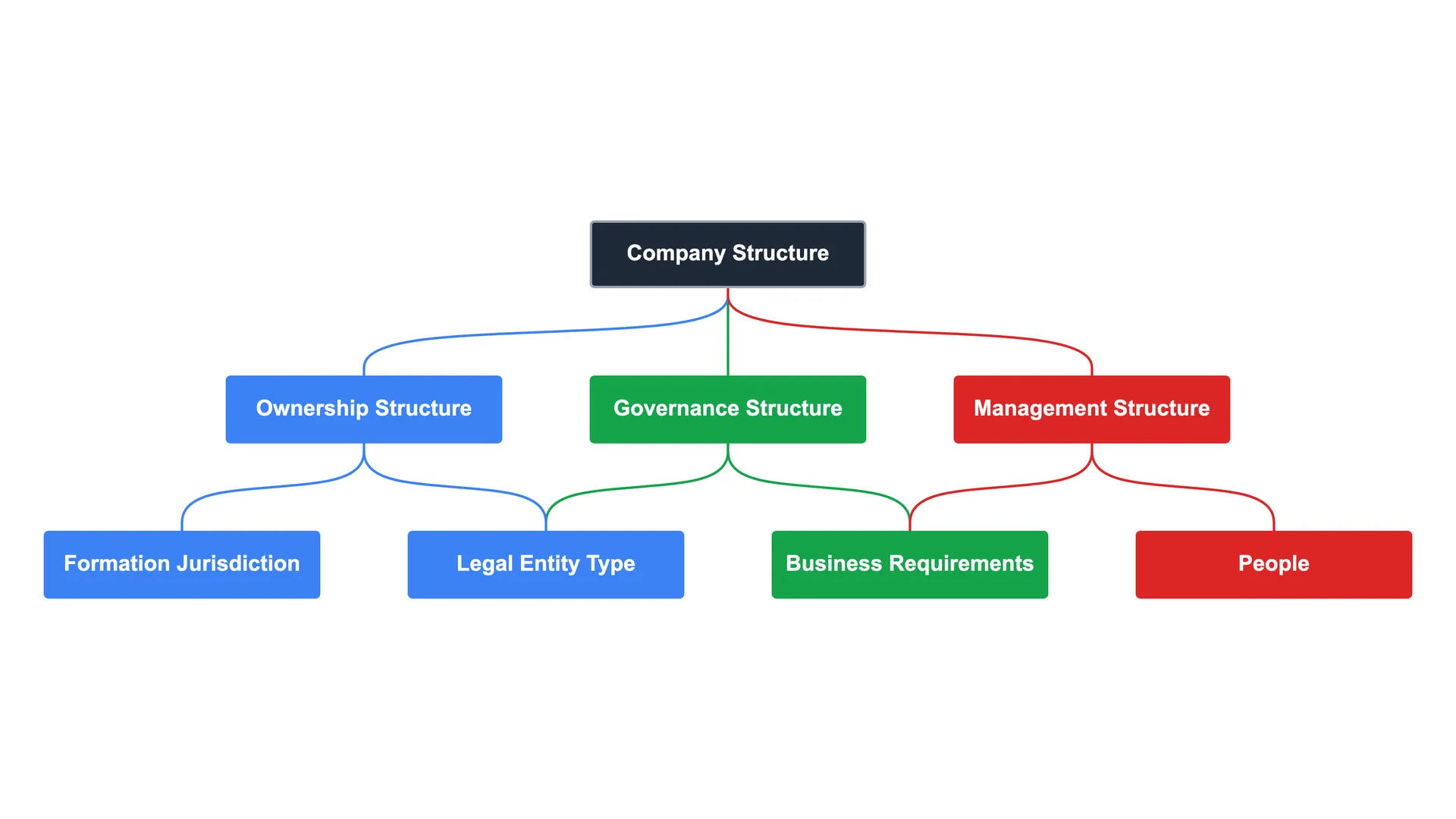 Below the layer of C-suite executives stretches a broader managerial personnel that typically consists of department heads and managers who manage different departments such as personnels, innovation, sales, and marketing. These supervisors are essential for the micro-management of department-specific functions and are frequently the driving force behind the motivation and efficiency of the basic personnel. Additionally, to enhance effectiveness and streamline procedures, lots of companies embrace different management methods, such as the matrix or flat management frameworks, which minimize the degrees of middle monitoring and promote a much more flexible and receptive business habits. The introduction of electronic devices has reinvented business monitoring methods. Innovative data analytics, enterprise resource preparation (ERP) systems, and client partnership management (CRM) tools are now essential to company operations, assisting to track performance, manage sources, and boost client interaction more successfully than ever previously. Such technological innovations not just strengthen operational effectiveness but also offer calculated insights that can bring about much better decision-making procedures. The assimilation of sustainability into the business framework has likewise end up being a considerable pattern, with numerous companies currently installing ecological, social, and administration (ESG) criteria into their core service techniques, which not only aids in mitigating threats yet likewise enhances brand name reputation and stakeholder count on. In conclusion, the operational framework and management techniques of a corporation are essential to its functionality and growth. By adopting cutting-edge management methods and integrating sophisticated technical devices, corporations can maintain competition and versatility in an ever-evolving organization landscape. This vibrant configuration not only supports lasting organization practices but likewise cultivates a conducive environment for advancement and dynamic adjustment within the corporate ball.
Key Techniques for Efficient Business Monitoring
In the intricate world of corporate administration, the adoption of strategic, detailed techniques is critical for fostering development, preserving competition, and making certain long-lasting sustainability. At the core of effective company monitoring lies the capacity to adapt to rapidly altering market conditions, incorporate innovation perfectly, and cultivate a solid business culture. Leaders should focus on critical preparation, which includes not only establishing clear, attainable objectives yet also anticipating possible obstacles and developing robust backup plans. This procedure generally needs a deep study market research, affordable evaluation, and interior audits to align the firm's toughness with readily available possibilities. Moreover, technology assimilation stands as a vital column in modern-day business methods. As digital transformation reshapes industries, business that utilize innovative modern technologies, such as expert system, big data analytics, and blockchain, acquire a substantial edge by boosting operational efficiencies and creating cutting-edge client services. Another vital element of company management is the focus on sustainability and corporate social obligation (CSR). In today's socially aware market, companies are anticipated to not only focus on earnings yet likewise on their impact on the environment and society at big. This change requires methods that include environmental, social, and governance (ESG) criteria, which can significantly influence stakeholder understandings and, ultimately, the business's public picture and economic performance. The human aspect can not be neglected; the farming of a dynamic corporate culture that advertises cooperation, versatility, and continuous understanding is necessary. This culture must be sustained by ongoing training programs, a clear interaction method, and a distinct path for career innovation within the company. By integrating these elements right into the wider calculated structure, firms can navigate the complexities of the international market a lot more efficiently and secure a sustainable, prosperous future.